SGMA’s New Subsidence Guidance: A Higher Bar, Real-World Impacts
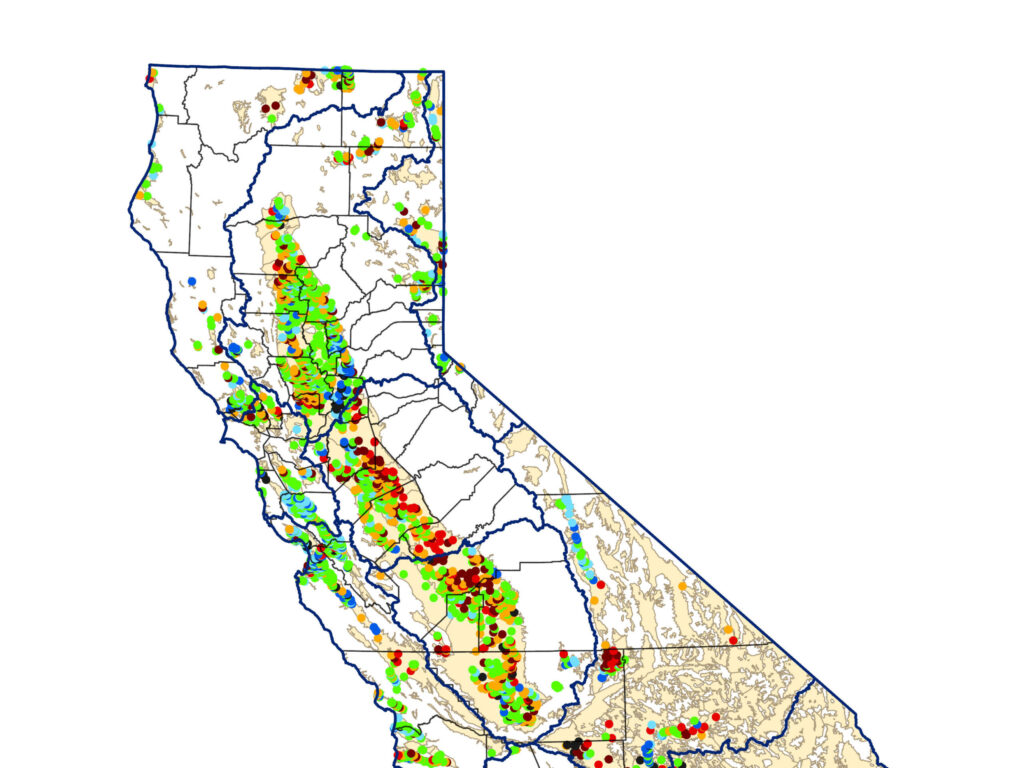
SGMA’s New Subsidence Guidance: A Higher Bar, Real-World Impacts Stricter triggers and heavier monitoring expectations may speed up local decisions. For farms, canals, and rural towns, that can raise near-term pressure and highlight the practical tools needed to adapt. It’s late July in the Valley. A third-generation grower walks a block that should be full canopy and watches […]
CFWC Releases 2025 Impact Report: A Year of Advocacy, Outreach, and Partnership
CFWC Releases 2025 Impact Report: A Year of Advocacy, Outreach, and Partnership The California Farm Water Coalition has released its 2025 Impact Report, offering a comprehensive look at how the Coalition continues to serve as the trusted, fact-based voice for California agriculture—a mission it has carried out since its founding in 1989. The report chronicles […]
Mike Wade Receives Association of California Water Agencies (ACWA) Lifetime Achievement Award

The California Farm Water Coalition (CFWC) is honored to announce that longtime Executive Director Mike Wade has received the Association of California Water Agencies (ACWA) Lifetime Achievement Award, recognizing his decades of dedicated leadership and his lasting impact on California agriculture and water stewardship.
Michelle Paul Selected as New CFWC Executive Director

Michelle Paul Selected as New CFWC Executive Director The California Farm Water Coalition is pleased to announce the selection of Michelle Paul as its next executive director. Ms. Paul will replace Mike Wade, who is retiring in February from his role as the Coalition’s executive director, a position he has held since 1998. Ms. Paul […]
Will the Bay-Delta Plan Succeed? It Has a Good Chance if the Healthy Rivers and Landscapes Alternative is Allowed to Work

On July 24, 2025, the State Water Resources Control Board released an updated Bay-Delta Water Plan, a critical framework designed to protect the ecological health of the Sacramento-San Joaquin Delta while addressing California’s diverse water demands.
Golden Mussels: A Looming Crisis for California’s Farms and Water Supply
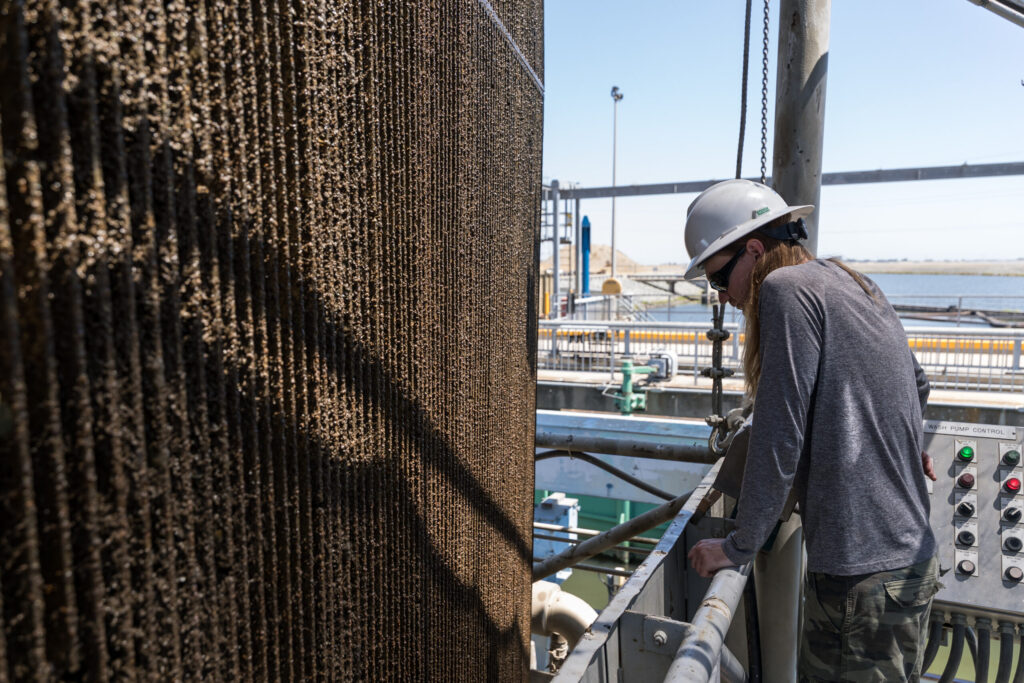
The golden mussel, an invasive species from East and Southeast Asia, is spreading rapidly in the Sacramento-San Joaquin Delta since its discovery in October 2024. This tiny invader threatens California’s $50 billion agricultural industry by clogging irrigation systems, which could disrupt water deliveries, reduce farm production, and raise food prices. Efforts are underway to monitor and control its spread to protect our food supply.
Central Valley Project Water South of Delta Allocation Rises to 55%
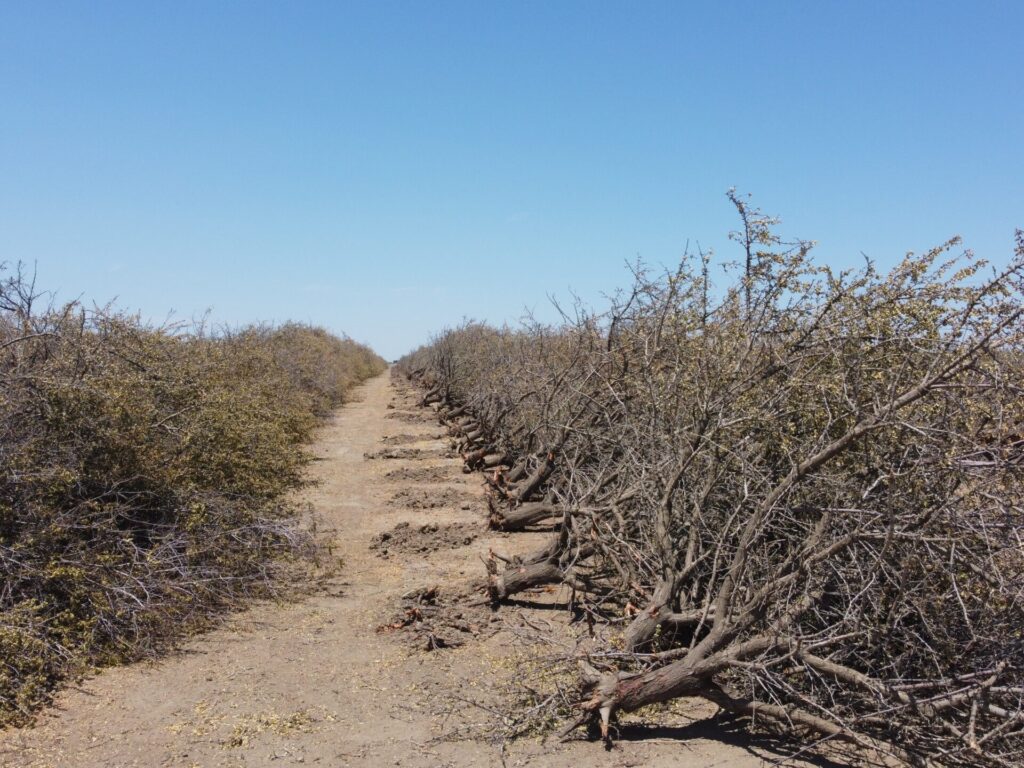
This week, the U.S. Bureau of Reclamation announced an increase in the Central Valley Project (CVP) water allocation for south-of-Delta agricultural contractors, raising it from 50% to 55% for the 2025 water year. While this modest increase offers some relief to farmers, farm workers, and rural communities in the San Joaquin Valley, it underscores the ongoing challenges of California’s unreliable water supply system. Insufficient water allocations have far-reaching consequences, not only for agriculture but also for the nation’s food supply.
Adapting California Agriculture: Water Shortages, Solar, and Food Production
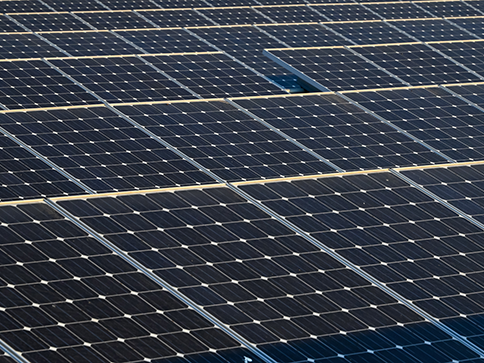
California’s agricultural landscape is transforming due to water supply challenges and the push for renewable energy. With projections of 500,000 to 1 million acres fallowed in the San Joaquin Valley by 2040, driven by the Sustainable Groundwater Management Act (SGMA) and decades of environmental water policies curtailing water supplies, farmers face tough choices: grow crops, convert land to solar, or try to do both.
Water Scarcity’s Economic Toll on California Agriculture: Why We Must Act Now
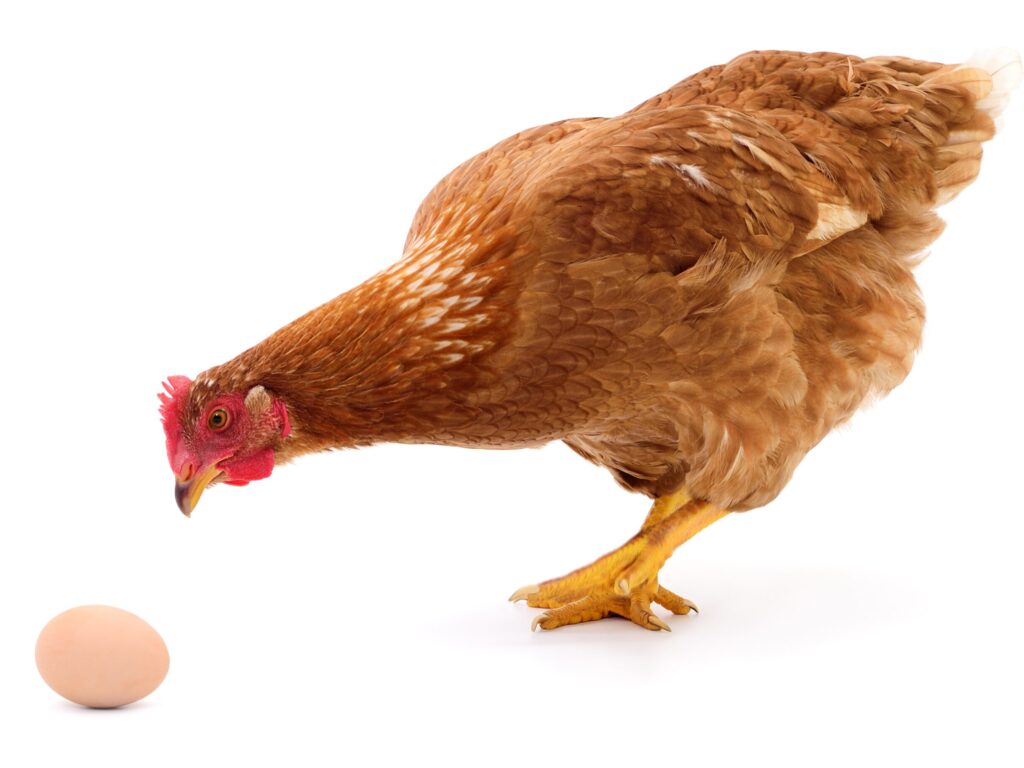
Water Scarcity’s Economic Toll on California Agriculture: Why We Must Act Now If egg prices are any indication of what happens when a disruption occurs in our food supply, consumers should prepare for rising prices and reduced availability in other aisles of the grocery store as well. Unlike temporary and short-lived supply interruptions like those […]
California Agriculture: Dispelling Myths and Correcting the Record
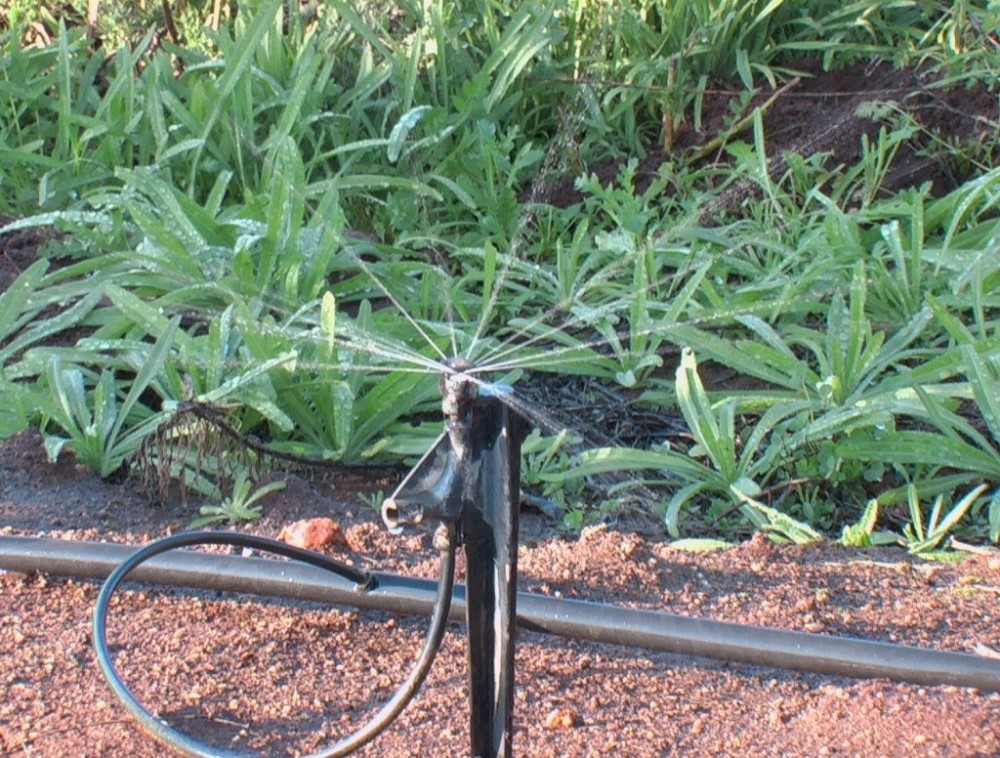
California Agriculture: Dispelling Myths and Correcting the Record California’s agricultural sector has long been the subject of debate, particularly regarding its use of water and environmental impacts. A recent article published by Al Jazeera titled “California Water Wars: A Century of Wrangling Over Los Angeles’s Water” presents a misleading and incomplete picture of California’s agricultural […]