California’s Water Allocations Get a Boost—and Why It Matters for the Nation’s Food Supply
California’s Water Allocations Get a Boost— and Why It Matters for the Nation’s Food Supply California’s water management is famously complex, relying on a network of reservoirs, aqueducts, rivers, and groundwater basins to meet the needs of farms, cities, and the environment. In recent years, the state has endured extended drought conditions and seen years […]
Supporting Healthy Rivers and Landscapes in the Bay-Delta Water Quality Control Plan Update
Farmers understand the vital importance of water, not only for their farms, livelihoods, and farm-based communities, but also for surrounding ecosystems. The recent developments in California’s approach to water management and environmental restoration offer a promising path forward for both agriculture and the environment.
Water Misinformation – California’s Wildfires
It’s no secret that water policy in California is incredibly complex—so complex, in fact, that it rarely fits neatly into a headline or a 30-second news clip. Yet, this complexity has real-world consequences that ripple far beyond the pages of newspapers or social media feeds and into the very fields that feed millions of people across the nation.
Full Reservoirs and Drought
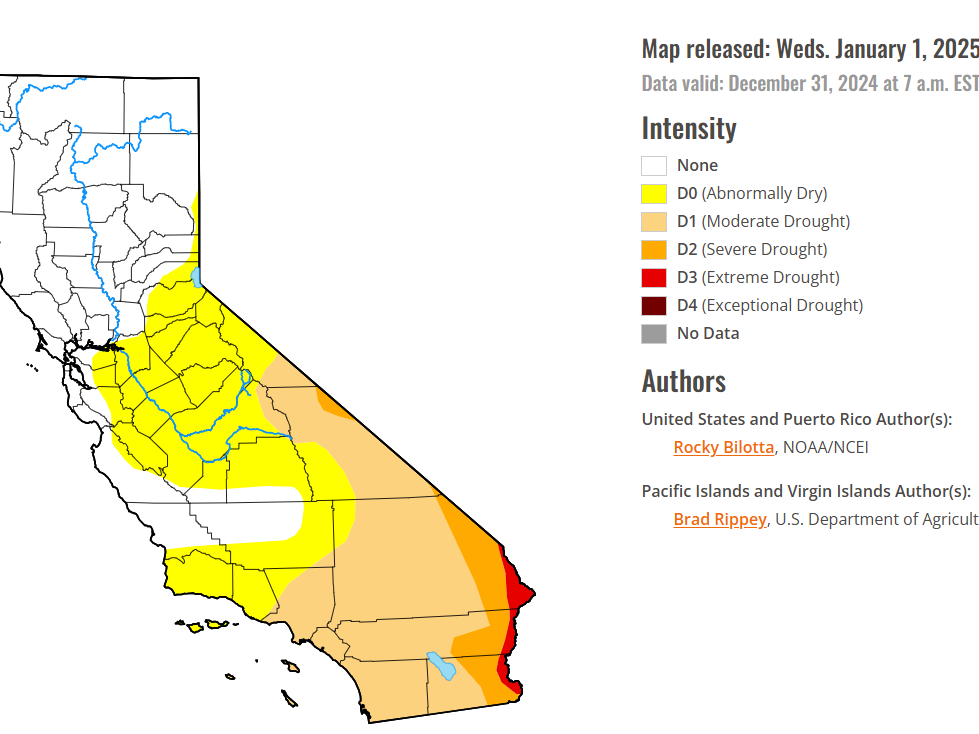
The recently released drought map from the National Oceanic and Atmospheric Administration (NOAA) looks like another looming crisis, which is red meat for journalists. The data made available by the U.S. Drought monitor on January 1 highlights areas categorized as “abnormally dry” or in “moderate drought.” However, a closer look at other data from the California Data Exchange Center (CDEC) presents a contrasting perspective, showing that 14 of the state’s 17 largest reservoirs are currently at or above year-to-date historical averages.
The Colorado River’s Future: A Call for Collaborative Solutions
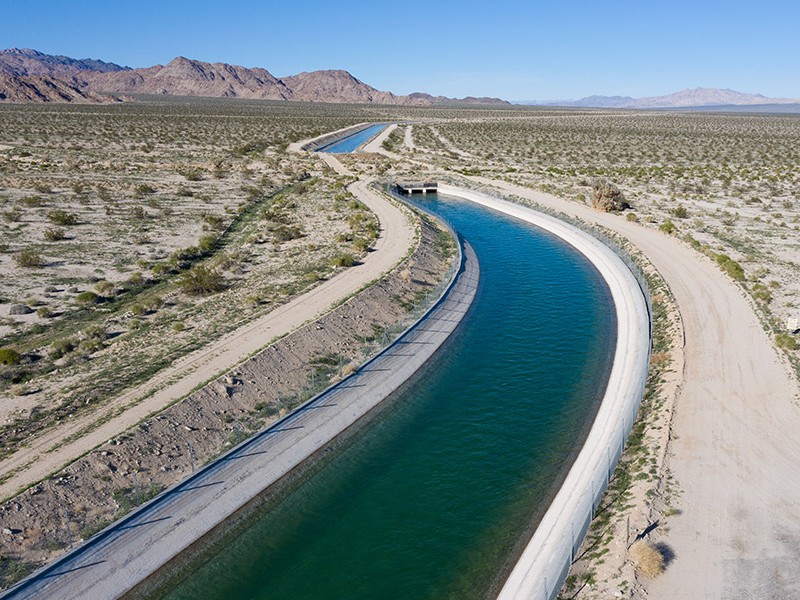
The Colorado River’s Future: A Call for Collaborative Solutions As the Colorado River Basin faces unprecedented challenges, it’s crucial for the seven basin states and tribal nations to come together and forge a consensus-driven solution for the river’s future management. With the current operating guidelines set to expire in 2026, the time is now for […]
Sustainable Food Supplies and Imports
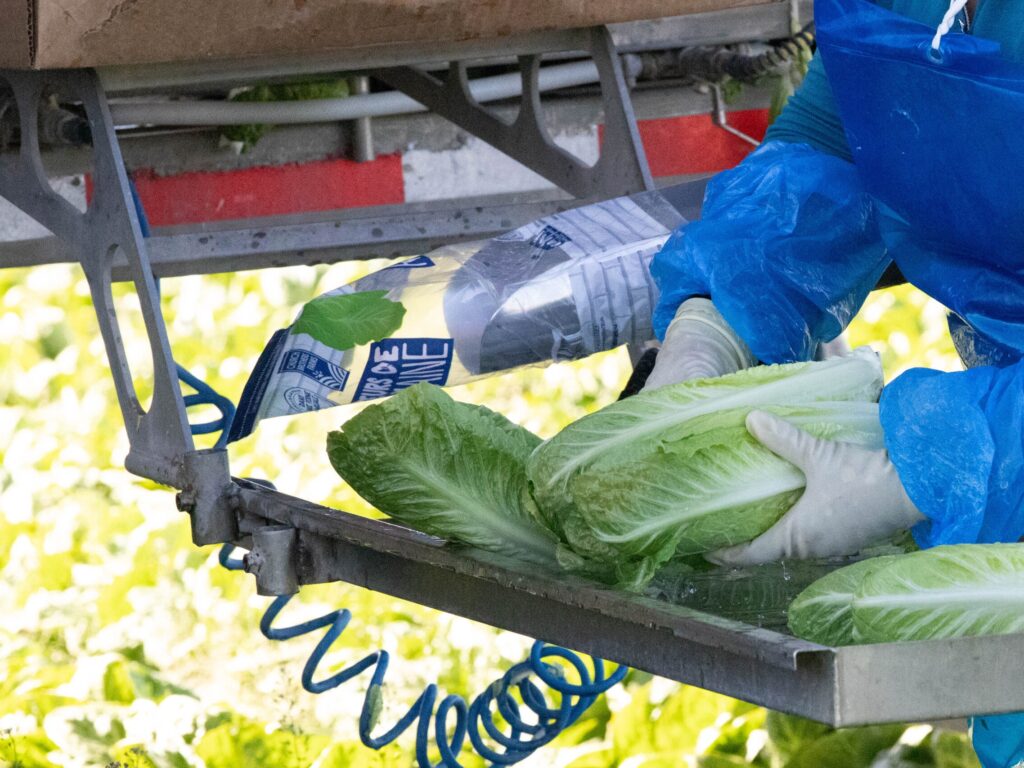
Sustainable Food Supplies and Imports America’s grocery stores may seem brimming with fresh fruits and vegetables year-round, but behind the vibrant displays lies a sobering truth: a significant portion of these products are imported from other countries. The new CFWC fact sheet, “Our Food Supply – Sustainability & Imports,” opens the door to discussions about the policies […]
A Better Alternative for Saving the Colorado River
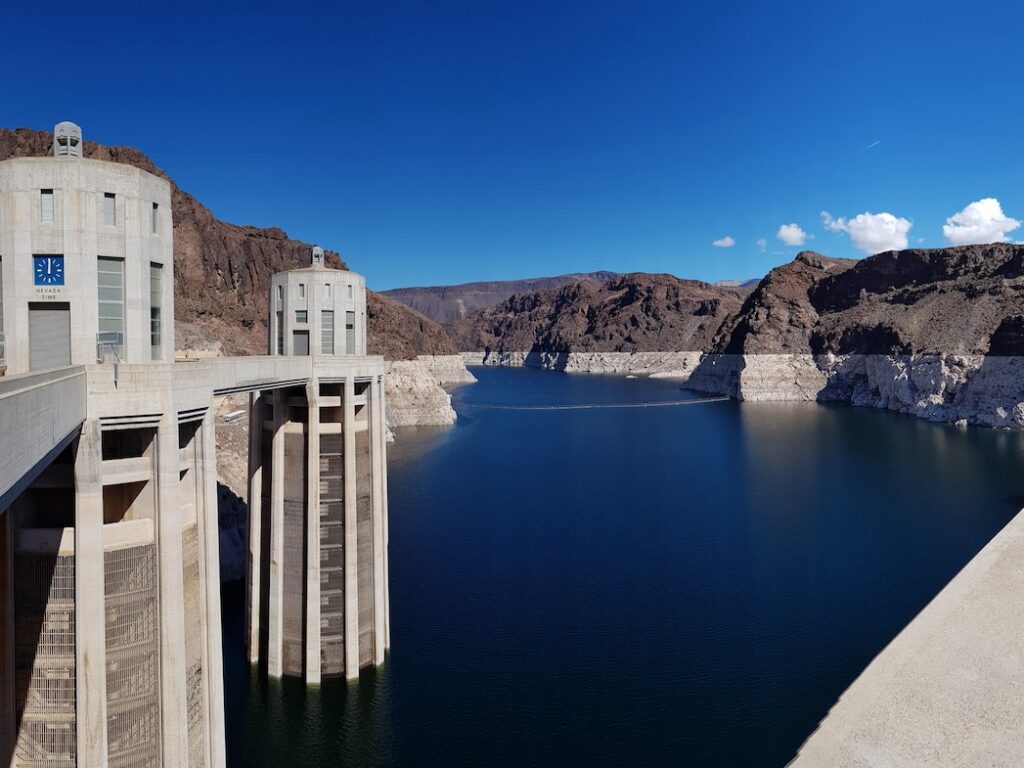
As the lifeblood of the arid American Southwest, the Colorado River stands as both a symbol of vitality and a testament to the intricate balance between human necessity and environmental stewardship. Flowing through seven U.S. states and Mexico, its waters sustain over 40 million people, vast agricultural lands, tribal interests and a myriad of ecosystems.
Farm Water Cafe

From our dinner to our data centers, everything has a water footprint. Find out more about how much water it takes to grow our food or charge our cars with this infographic.
Coping With Weather Whiplash – Improving S2S Precipitation Forecasting
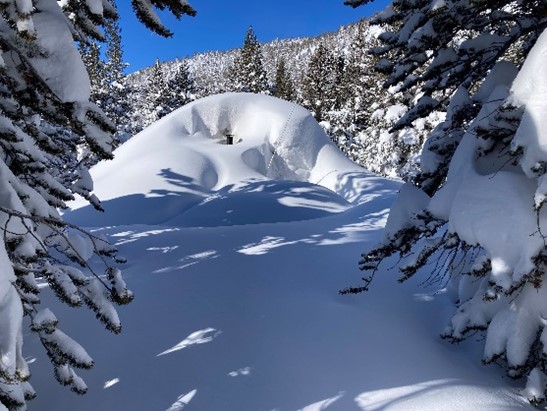
Guest Post by Jeanine Jones, Interstate Resources Manager, California Department of Water Resources Water Year 2023 was notable for ending the 2020 – 2022 drought, California’s driest consecutive three-year period, with one of the state’s snowiest years. This rapid change in water supply conditions was not predicted by the National Weather Service (NWS), reflecting the […]
Where Does Farm Water Go?
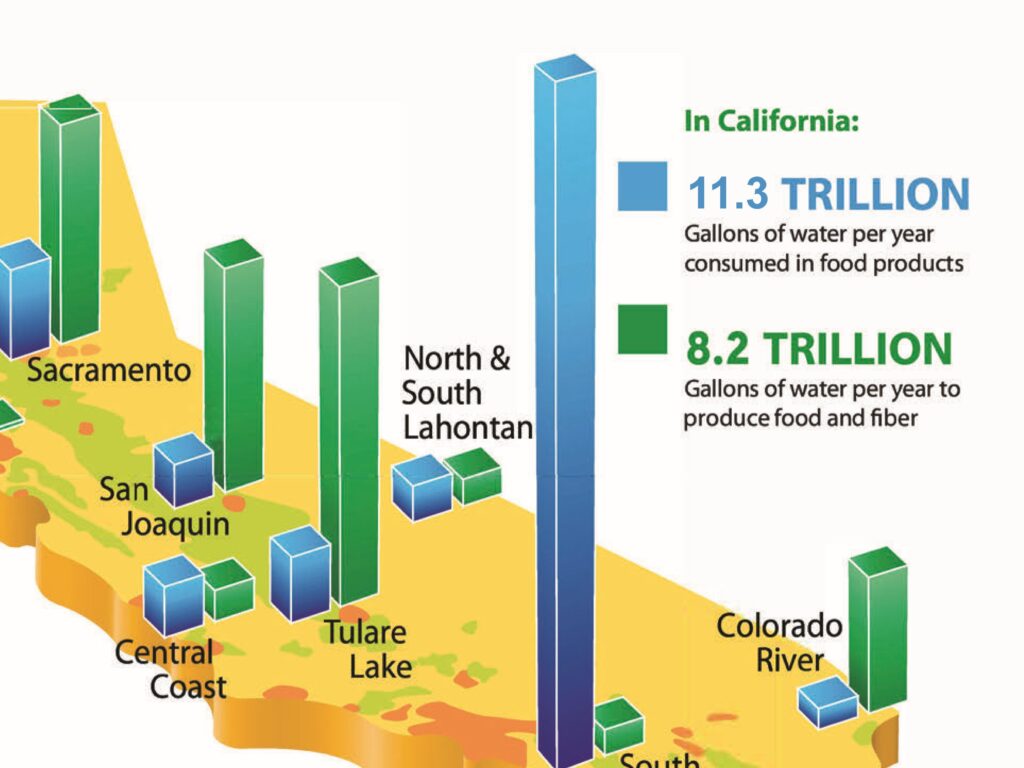
Water used to grow farm products doesn’t stay on the farm. It becomes part of the food we eat and the clothing we wear. California is a net importer of the water needed to feed and clothe our population.